A misted pane, a persistent draught by the sofa or frames that no longer shut smoothly can make a home feel harder to heat and less secure. This home window replacement guide is designed to help Kent homeowners make a confident decision, whether you are replacing one failed window or planning a full-house upgrade.
New windows are a visible improvement, but the real value is felt day after day: warmer rooms, quieter evenings, easier cleaning and greater peace of mind. The right choice depends on your property, priorities and budget, so it pays to look beyond a simple price comparison.
When is it time to replace your windows?
Older windows do not always need replacing immediately. A specialist repair may be the sensible route where frames are sound and the issue is limited to a handle, hinge, lock, seal or failed glass unit. Repairs can be particularly worthwhile if you want to extend the life of existing windows while planning a larger project.
Replacement becomes more attractive when several problems appear at once. You may notice cold spots near the glass, draughts around the opening, condensation trapped between panes, difficulty locking the window, rotting timber or warped frames. Rising heating bills and outside noise can also be signs that your glazing is no longer performing as it should.
If your windows are approaching the end of their serviceable life, replacing them together often creates a more consistent finish and can avoid repeat installation costs. However, there is no rule saying every window must be changed at the same time. A good survey should identify what genuinely needs attention and what can wait.
Start with what you want your new windows to achieve
The best specification is not always the most expensive one. Before choosing a style or colour, decide which outcome matters most in your home.
For many households, warmth is the priority. Modern double glazing, carefully sealed frames and energy-efficient glass can help reduce heat loss and make rooms more comfortable in colder months. If you live near a busy road, school route or railway line, acoustic glazing may be worth discussing too. It can reduce external noise, although no window will remove every sound completely.
Security is another practical consideration. Look for high-quality locking systems, strong hardware and glazing specified for the location of the window. Ground-floor, side and easily accessible windows may need particular thought. Well-fitted windows should feel secure without becoming awkward to open in an emergency.
Appearance matters just as much, especially at the front of the property. The frame profile, opening arrangement and sightlines should suit the age and character of your home. A modern detached house, Victorian terrace and rural cottage may all call for a different approach.
Choosing the right frame material
uPVC windows
uPVC remains a popular choice because it is durable, low maintenance and available in a wide range of finishes. It offers excellent value for homeowners who want strong thermal performance without regular painting or staining. White remains a classic option, while coloured and wood-effect finishes can give a more distinctive look.
The quality of the frame and installation matters more than the material label alone. Better-designed uPVC systems can provide slim, attractive profiles and a substantial feel, while cheaper products may not deliver the same finish or longevity.
Aluminium windows
Aluminium is valued for its strength and clean, contemporary appearance. Because the material is strong, it can support slimmer frames and larger glazed areas, making it a good option for homeowners who want more light or a modern architectural style.
It is usually a higher-investment choice than uPVC, particularly for large openings. For the right property, though, its crisp lines, colour options and long-lasting finish can make it a worthwhile choice.
Timber and heritage-style options
Timber can be a beautiful fit for period homes and conservation-sensitive settings, but it needs ongoing care to protect the finish. Some homeowners prefer heritage-style uPVC or aluminium alternatives that capture traditional detailing with lower maintenance requirements.
If your home is listed or sits within a conservation area, check local planning requirements before committing to a design. Restrictions can affect materials, glazing patterns and even the colour of your frames.
Window styles that work for everyday living
Casement windows are one of the most versatile choices. They open outwards on hinges, provide effective ventilation and suit many property styles. Their simple design makes them a dependable option for bedrooms, kitchens and living areas.
Tilt and turn windows are especially useful where safe ventilation and easy cleaning are important. They can tilt inwards for background airflow or open further inwards for access. This can be helpful on upper floors, though you should make sure furniture and window boards allow the window to operate properly.
Sliding sash windows are often chosen for period character. Modern versions can combine the appearance of traditional sash windows with improved insulation, security and smoother operation. They are a strong choice for homes where preserving the original look is a priority.
Bay and bow windows need a more considered approach because they influence both the inside and outside of the property. Replacing them is an opportunity to improve insulation and refresh kerb appeal, but accurate surveying is essential to ensure the structure, roof and internal finishes are properly addressed.
Understanding glass, energy efficiency and ventilation
The glass unit plays a major part in the performance of a replacement window. Double glazing is suitable for most homes, while triple glazing can offer further thermal and acoustic benefits in some situations. It is not automatically the right answer for every property, as it can add cost, weight and a different appearance to the finished window.
Ask how the complete window is rated, rather than focusing only on the glass. Frames, spacers, seals and installation all affect how well a window retains heat. A professionally fitted, market-leading energy-efficient window can help reduce draughts and support a more comfortable home, but actual savings will vary with your heating system, insulation and lifestyle.
Ventilation should not be overlooked. Modern homes need controlled airflow to manage moisture and everyday condensation from cooking, showering and drying clothes. Trickle vents may be required depending on the project and should be discussed during the survey. They can feel like a compromise if you are concerned about noise, so ask about placement and available options rather than treating them as an afterthought.
What a professional installation should include
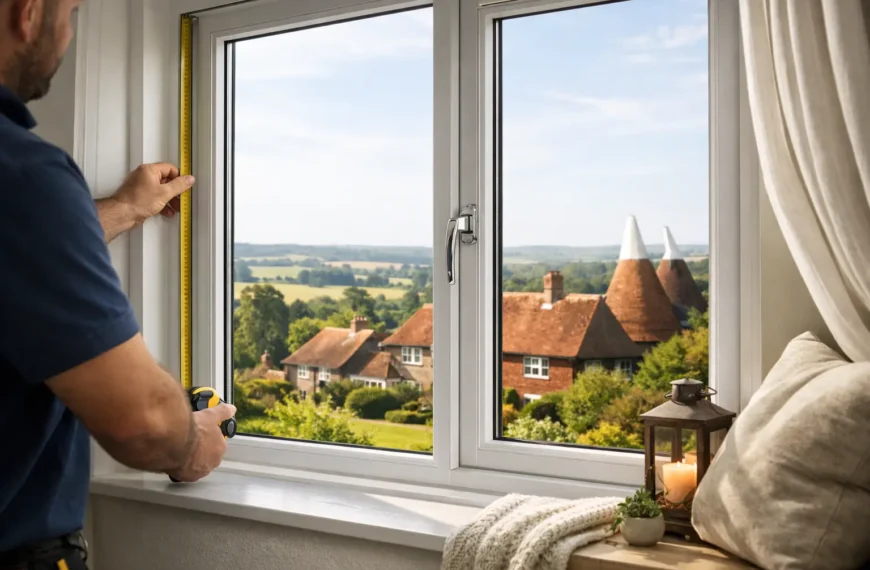
A quality window is only as good as its fitting. The process should begin with a detailed survey, not a guess based on rough measurements. This is when the installer checks opening sizes, wall condition, access, existing lintels, internal reveals and any features that could affect the job.
Before installation day, make sure you understand what is included in the quotation. That means the window specification, glass type, handles, cills, trims, making good, waste removal and any work needed around the openings. The lowest quote can become poor value if essential finishing work has been left out.
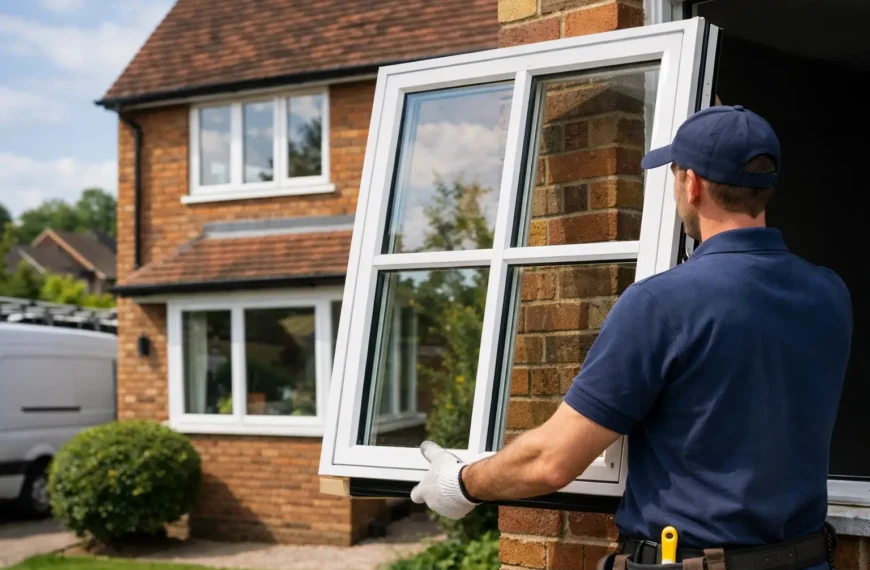
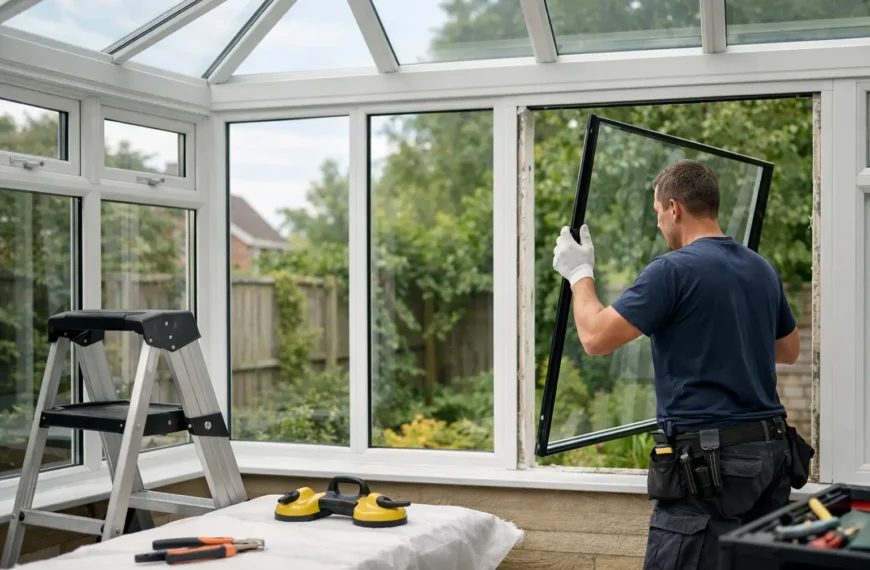
On the day, experienced installers should protect the work area, remove old frames carefully and fit the new windows square and secure. They should check that every opener, lock and handle works correctly before they leave. You should also receive clear information about guarantees, care and who to contact if you have a concern after fitting.
For a wider exterior upgrade, using one established local specialist can make coordination easier. Totalglaze can help homeowners bring together windows, doors, roofline and conservatory improvements in a way that suits the property rather than treating each element in isolation.
Questions worth asking before you accept a quote
A clear conversation now can prevent disappointment later. Ask whether the quote is fixed, how long the chosen products are expected to take, and whether there are likely to be any additional costs once old frames are removed. It is also sensible to ask who will carry out the installation and what aftercare is provided.
Compare like with like. One quotation may include tougher glass, better locks, coloured frames, full finishing and a longer guarantee, while another may not. Price matters, but it should sit alongside product quality, local reputation, workmanship and the confidence that help will be available after the installation is complete.
A home window replacement guide for a confident decision
Replacement windows should make your home feel better to live in, not create a list of compromises you discover after fitting. Take time to view samples, operate the windows yourself and talk honestly about your priorities, whether that is warmth, security, noise reduction or preserving your home’s character.
A friendly design consultation and a detailed, no-pressure quotation will give you a firmer basis for choosing. When the specification fits your home and the installation is in experienced hands, new windows can be a practical improvement you appreciate every time you close the curtains on a cold Kent evening.