If you can feel a cold stream of air when you walk past the window, your home is already telling you something. Learning how to stop draughty windows is not just about comfort on a chilly evening – it is often the first step towards lower heating bills, a quieter room and a home that feels properly looked after.
A draughty window can come from something simple, such as tired sealant, or from a bigger issue like a warped frame or failed glazing unit. The right fix depends on the cause. That is why the smartest approach is not to cover the problem and hope for the best, but to work out where the draught is coming from and whether a repair will do the job or a replacement makes more sense.
Why windows become draughty in the first place
Most draughts appear as windows age and materials start to move, shrink or wear. Seals harden over time. Hinges can loosen. Older frames may twist slightly, which stops the sash from sitting tightly against the gasket. In some homes, previous repairs have been done as a quick patch rather than a proper long-term solution.
There is also a difference between feeling cold near a window and having a genuine draught. Glass naturally feels cooler than a well-insulated wall, especially in winter. That does not always mean outside air is getting in. A true draught usually feels like moving air around the edges of the frame, opening section or cill.
Condensation can confuse matters too. If a room feels cold and damp, many homeowners assume the window is at fault. Sometimes it is, but poor ventilation can also play a part. The trick is to separate comfort issues caused by air leakage from those caused by excess moisture or low room temperature.
How to stop draughty windows by finding the source
Before buying any seal or booking any work, check exactly where the problem lies. Run your hand slowly around the inside edge of the frame on a breezy day. You may notice the draught near the top corner, along the cill, around the opening sash or where the frame meets the wall.
You can also look for visible clues. Perished rubber seals, gaps in external sealant, cracked putty on older units, or windows that no longer close squarely are all common warning signs. If the handle feels loose or the sash does not pull in tightly when locked, the weather seal may not be compressing properly.
If the draught seems to come from between the frame and the wall, the issue may be with the installation or with ageing sealant rather than the window itself. If it comes through the opening edge, hinges, locks or gaskets are more likely to blame.
The quick fixes that can genuinely help
Some draught problems are minor and can be improved without major work. Replacing worn draught excluder strips or gaskets can make a noticeable difference if the frame and sash are still in good condition. Reapplying external sealant can also help where small gaps have opened up around the perimeter.
For timber windows, a careful repair may involve renewing putty, adjusting the fit or adding discreet draught-proofing. On uPVC windows, realigning the sash or replacing faulty hinges can restore a tighter seal. These are practical repairs when the rest of the window remains sound.
Temporary products from DIY shops can be useful in the short term, particularly if you need a fast improvement before winter deepens. However, they are rarely the best long-term answer for a window that is already failing structurally or thermally. If you find yourself redoing the same fix every year, it is usually a sign the underlying problem has not gone away.
When a repair is enough
A repair is often the sensible choice if the draught is caused by one worn component rather than a failing window as a whole. Failed handles, tired hinges, flattened gaskets and cracked sealant can all allow cold air in, but they do not automatically mean full replacement is needed.
This is especially true where the frames are still in good order, the locking system remains secure and the glazing is performing as it should. In those cases, a well-carried-out repair can extend the life of the window and improve comfort without the cost of starting again.
That said, repair has its limits. If several parts are worn at once, if the frame has moved significantly, or if you are already dealing with condensation between panes and poor insulation, the value of repeated repairs starts to fall away.
When replacement is the better investment
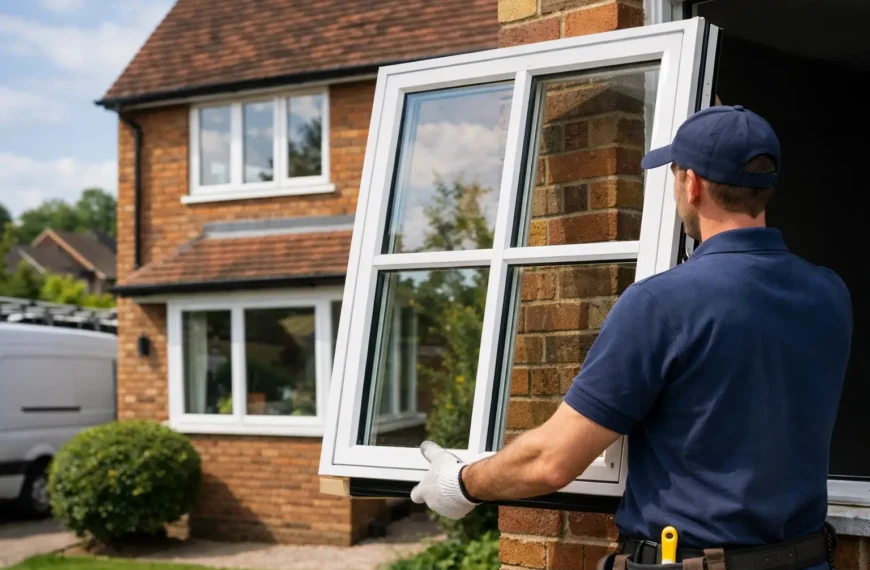
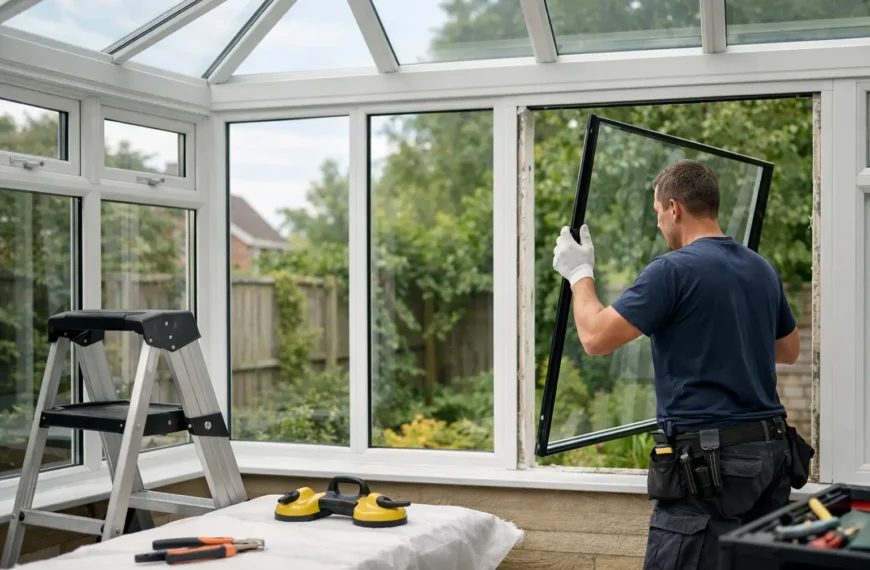
There comes a point where trying to stop draughts becomes a cycle of patching. If windows are old, inefficient or visibly deteriorating, replacement can be the more cost-effective route over time. A modern made-to-measure window should close cleanly, seal properly and deliver far better thermal performance than many ageing units.
For homeowners planning to stay in their property for the long term, replacement is often about more than warmth. It can improve appearance, reduce outside noise, increase security and make the whole room easier to heat. In some cases, the difference is immediate. Rooms that never felt quite comfortable suddenly become usable all day, even in colder months.
This is where professional advice matters. A trustworthy installer will not push replacement if a repair is enough, but they should also be honest when a window has reached the end of the road. For Kent homeowners, that clear guidance is often more valuable than a quick fix that only delays the inevitable.
Older homes need a slightly different approach
Not every home should be treated the same way. Older properties can have their own quirks, especially if walls are uneven or original timber frames have settled over decades. Stopping draughts in these homes requires care, because over-sealing without considering ventilation can create other issues, particularly condensation.
The aim is to reduce unwanted air leakage while still allowing the home to breathe properly. That may mean a more considered repair, a sympathetic upgrade or replacement products designed to suit the character of the property. What works in a 1990s detached house may not be right for a period cottage.
The hidden cost of putting it off
A small draught does not always stay small. The longer cold air is allowed in, the harder your heating system has to work to maintain a comfortable temperature. Over time, that means paying more to heat rooms that still never feel quite warm enough.
There is also the comfort factor, which is easy to underestimate until it improves. Many households adjust their habits around draughty windows without realising it. They avoid certain chairs, keep curtains shut all day, or turn the thermostat up to compensate. Once the problem is dealt with properly, the room often feels more balanced and easier to live in.
If moisture is also present, delaying action can contribute to damp patches, mould around reveals and further deterioration of seals or timber. What starts as an inconvenience can become a broader maintenance issue.
Choosing the right help
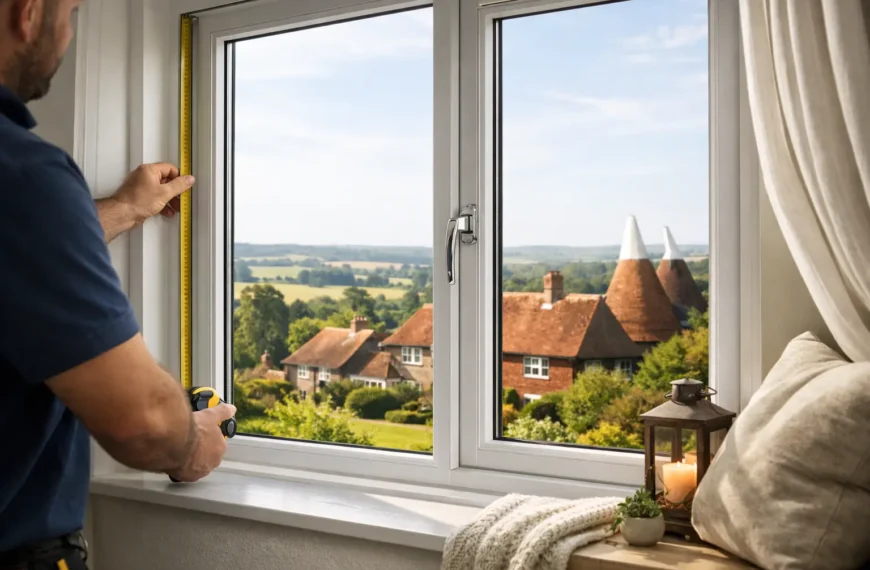
If you are wondering how to stop draughty windows without wasting money, the best next step is a proper assessment. You want someone who can identify whether the issue is with the frame, glazing, hardware or installation, and explain the options in plain terms.
That means looking for a company with experience in both repairs and replacements, because the advice is usually more balanced when they do not only offer one route. A dependable local specialist should be able to talk you through what is causing the draught, what can be repaired, and whether a new window would give you better value over the years.
For many homeowners, reassurance matters as much as the technical answer. You want to know the work will be carried out properly, the products will perform as promised and support is there afterwards if needed. That is exactly why many Kent households turn to established local firms such as Totalglaze when comfort, efficiency and workmanship all matter.
A warmer home usually starts with one honest decision
If your windows are letting in cold air, the solution is not always dramatic – but it does need to be the right one. Some homes need fresh seals and careful adjustment. Others need a full upgrade to achieve the warmth and efficiency modern windows are designed to provide. The key is to stop guessing and deal with the actual cause, so your home feels warmer, more secure and properly comfortable again.