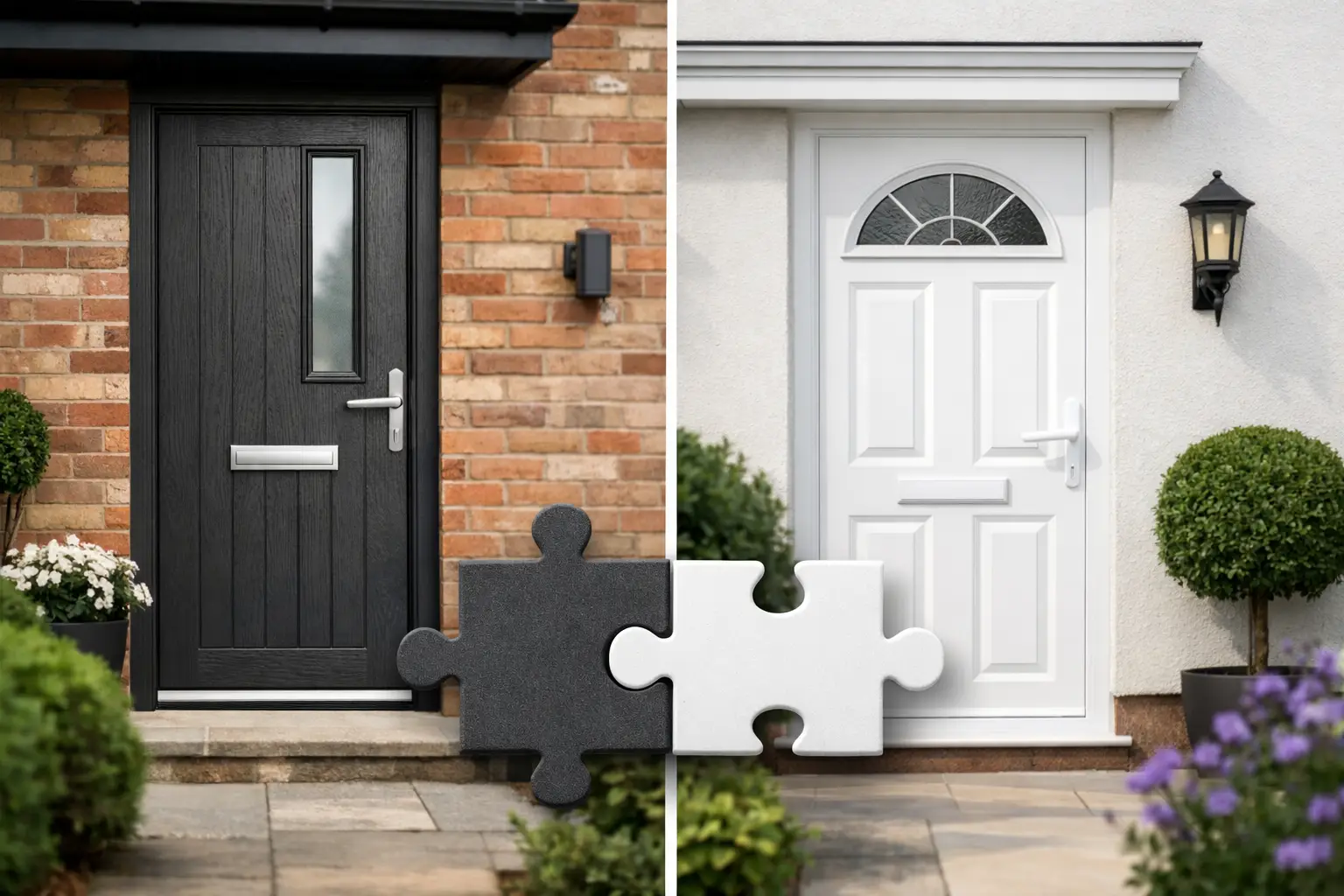
A front door has a demanding job in a Kent home. It needs to stand up to wet winters, everyday family use and the occasional coastal breeze, while making the right first impression from the pavement. When weighing up composite doors vs uPVC, the best choice is rarely just about price. It is about how you want your home to feel, look and perform for years to come.
Both are practical, low-maintenance alternatives to traditional timber doors. Both can improve security, reduce draughts and refresh a tired entrance. Yet their construction, appearance and long-term value are quite different. Understanding those differences makes it far easier to invest with confidence.
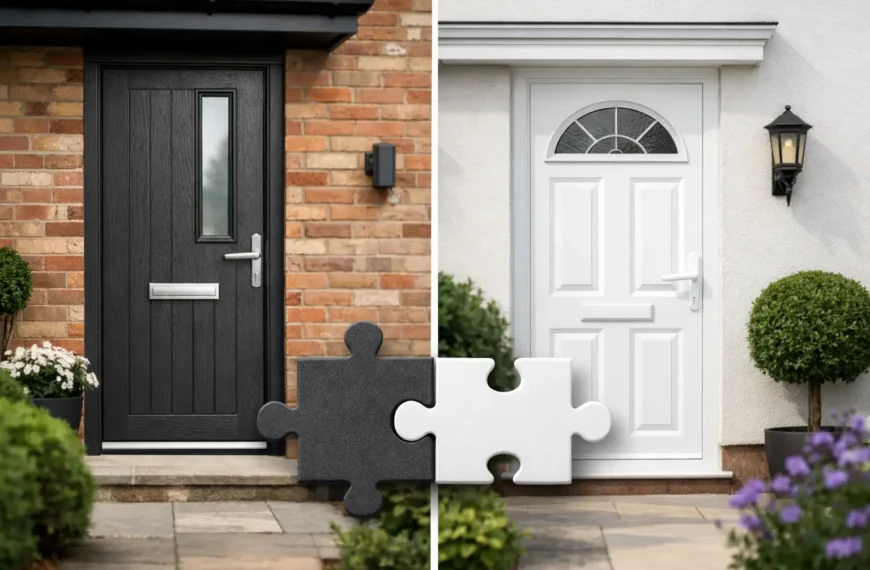
Composite doors vs uPVC at a glance
A uPVC door is typically made from insulated, multi-chambered plastic sections reinforced where required for strength. It is a familiar, affordable choice that works particularly well for side entrances, utility rooms, porches and homes where a straightforward replacement is the priority.
A composite door uses several materials to create a thicker, denser door slab. Depending on the design, this can include a solid or insulated core, durable outer skins and a reinforced frame. The result is a door designed to offer the character of timber with modern thermal performance and security.
The choice often comes down to priorities. If keeping the initial outlay lower is most important, uPVC may be the sensible option. If you are upgrading the main entrance of a long-term home and want a more substantial finish, composite is often worth considering.
Appearance and kerb appeal
For many homeowners, the front door is the first visible part of an exterior improvement project. A well-chosen door can lift an older brick façade, complement new windows or give a porch a more welcoming feel.
Composite doors generally offer more scope for a traditional or premium look. They are available in convincing woodgrain finishes, panelled designs and a broad choice of colours, from understated black and anthracite grey to heritage greens, blues and reds. Decorative glazing, sidelights and carefully chosen furniture can make the entrance feel properly tailored to the property.
uPVC doors have improved greatly in appearance and are no longer limited to plain white styles. You can choose coloured finishes, glazed panels and contemporary designs. However, their slimmer construction and more uniform surface can look less substantial than a composite door, particularly on period properties or larger detached homes.
That does not make uPVC the wrong choice. A neat, well-specified uPVC door can look smart and suit a modern home beautifully. It is simply less likely to deliver the weighty, timber-style character many people want at the front of the house.
Warmth and energy efficiency
An ageing door can be a surprising source of cold spots and draughts. Replacing it with a modern, correctly fitted door can make the hallway more comfortable and help reduce heat loss.
Composite doors are usually thicker than uPVC doors and commonly have an insulated core. This gives them excellent thermal performance when combined with quality weather seals and professional installation. The difference may be especially noticeable in an exposed entrance, a north-facing porch or a home with an older, draughty door frame.
uPVC doors can also provide very good insulation. Their multi-chambered profiles are designed to help trap air, and a modern door fitted with effective seals is a considerable improvement on an old single-glazed or poorly fitted entrance door. For a back door that is used less often, the performance can be more than adequate.
It is worth looking beyond a single headline figure. The overall performance depends on the door, frame, glazing, threshold and installation quality. A high-performing door will only do its job properly if it is measured accurately and fitted with care.
Security: construction matters
Your front door should feel reassuring every time you lock it behind you. Both composite and uPVC doors can be specified with strong frames, multi-point locking systems and secure cylinders. The quality of the hardware and the standard of installation are just as important as the material itself.
Composite doors have a natural advantage in terms of solidity. Their dense construction can provide a more substantial barrier and often gives a firmer feel when closing. Many homeowners also appreciate the sense of security that comes from a thicker door slab and reinforced design.
A quality uPVC door should not be dismissed on security grounds. Modern systems can incorporate steel or aluminium reinforcement where needed, secure hinges and multi-point locks. The key is to choose a product that is properly specified for its location, rather than selecting purely on the lowest quote.
Ask your installer to explain the locking system, cylinder protection, glazing specification and any relevant security testing. Clear answers are a good sign that the door is being selected for your home, not simply sold as a standard replacement.
Maintenance and everyday durability
Neither option needs the regular sanding, painting and staining associated with a traditional timber door. For busy households, that is a major benefit.
uPVC is easy to clean with warm, soapy water and usually needs little more than occasional attention to hinges, locks and drainage points. It is a practical material for a side door exposed to muddy boots, pets and regular comings and goings.
Composite doors are also low maintenance and designed to cope with changing weather. Their colour and finish are intended to remain attractive without repainting, although regular cleaning and sensible care of the hardware will keep the door looking its best. As with any coloured exterior product, it is sensible to discuss suitable finishes for a particularly sunny or exposed position.
Over a long period, a well-made composite door is often better at retaining a premium appearance. It is less prone to the lightweight feel that can develop with cheaper door systems, though product quality varies across both categories. A door is a long-term purchase, so it pays to compare what is included rather than judging samples by appearance alone.
Cost and value for your home
uPVC doors usually cost less than composite doors, making them an attractive option when replacing several doors or working to a tighter budget. They can offer a very good balance of insulation, security and low maintenance for the price.
Composite doors generally have a higher initial cost because of their materials, thicker construction and greater range of finishes. For many households, that additional investment is easiest to justify at the main entrance, where security, kerb appeal and everyday use matter most.
Value is not only about the purchase price. Consider how long you expect to remain in the property, whether the door complements the style of the home and whether it will support wider improvements such as replacement windows, cladding or a new porch. A front door that looks right and performs well can make the whole exterior feel more considered.
Which door is right for each entrance?
A composite door is often the stronger choice for a front entrance, especially where you want a statement design, enhanced solidity and excellent insulation. It can be particularly well suited to family homes, character properties and homeowners planning to stay for many years.
A uPVC door is often ideal for a rear entrance, utility room, garage access or porch. It provides reliable performance at a more accessible price and can be a sensible choice where practical function matters more than creating a focal point.
There are exceptions. Some homes benefit from matching front and rear doors, while others need a particular design to suit planning considerations, existing glazing or a sheltered porch. A friendly design consultant can help you compare samples, colours and configurations in the context of your own property.
Getting the installation right
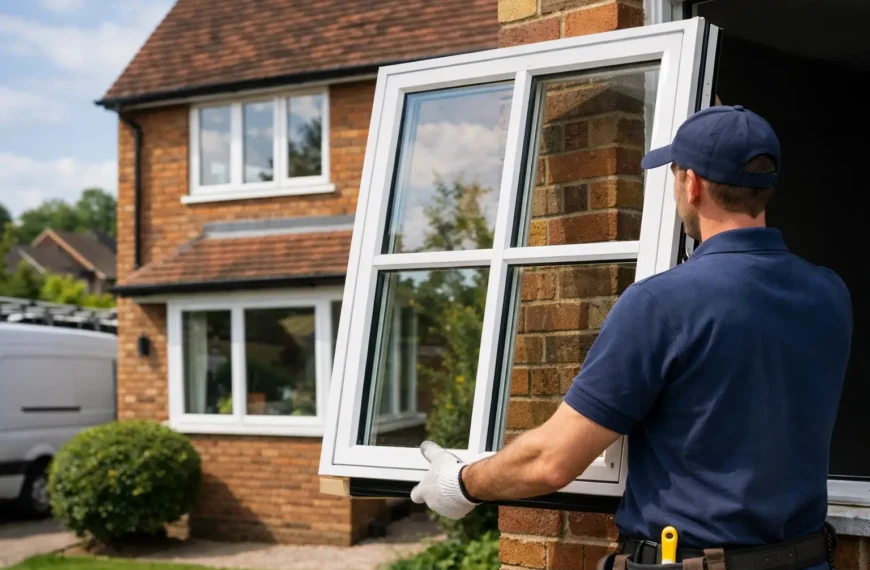
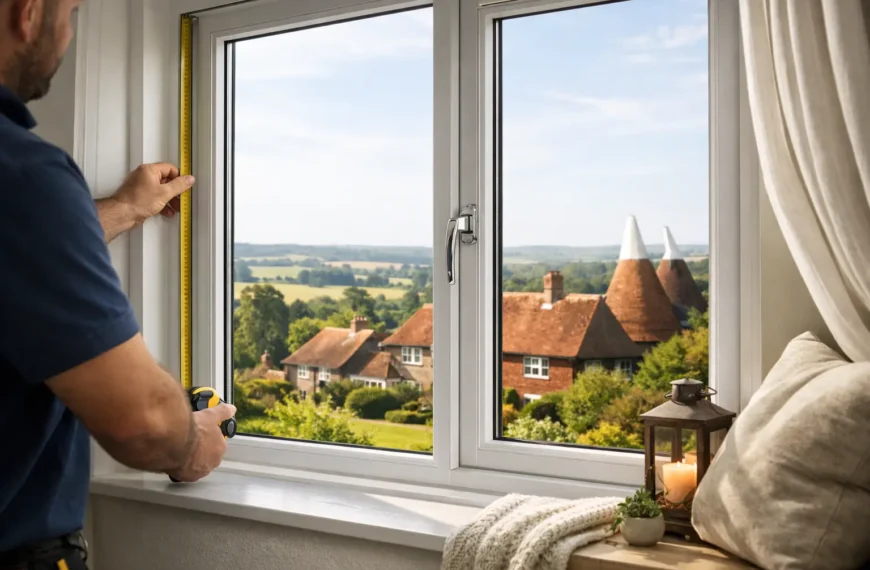
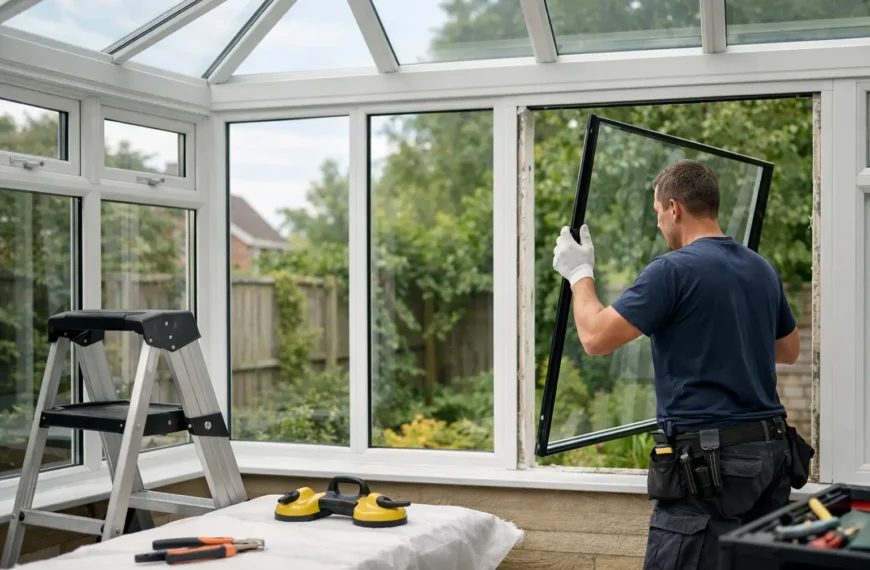
Even the best door can disappoint if it is poorly measured or fitted. A professional survey should assess the existing opening, frame condition, threshold, access needs and any glazing around the door. It should also give you the chance to discuss handles, letterplates, knockers, privacy glass and the direction in which the door opens.
At Totalglaze, homeowners can choose from made-to-measure door options with advice shaped around the home, rather than a one-size-fits-all recommendation. An experienced local installer should also provide clear information about guarantees, aftercare and what the fitting process involves.
The most useful starting point is to stand outside your home and consider what you need the entrance to do. If you want an affordable, dependable replacement for a practical doorway, uPVC may be exactly right. If you want a warmer, more substantial and more distinctive welcome home, a composite door could be the better long-term investment. A no-pressure conversation and a free quote can turn that choice into a plan that feels right for your property.