If your windows rattle when the wind picks up, feel cold to the touch in winter, or let in more road noise than you would like, it is usually a sign your home is working harder than it should. The benefits of double glazed windows go well beyond appearance – they can make everyday life warmer, quieter, safer and more efficient.
For many homeowners in Kent, replacing older glazing is not about chasing trends. It is about fixing draughts, improving comfort and choosing a practical upgrade that adds lasting value. Double glazing has become the standard for good reason, but the real advantages depend on the age of your property, the condition of your current frames and what you want your new windows to achieve.
What are double glazed windows?
Double glazed windows use two panes of glass with a sealed gap between them. That gap is usually filled with air or an insulating gas, which helps slow down heat transfer. In simple terms, they are designed to keep warmth in, reduce cold spots near the window and create a more comfortable indoor environment.
The glass is only part of the picture. The frame material, the quality of the seals and the standard of installation all affect performance. A well-made, professionally fitted window will always do more for your home than a cheaper option fitted poorly.
The main benefits of double glazed windows
1. Better energy efficiency
One of the biggest reasons homeowners choose double glazing is to reduce heat loss. Older single glazed windows allow warmth to escape quickly, which means your heating system has to work harder to maintain a comfortable temperature.
Double glazing helps hold heat inside for longer. That can lead to lower energy use and, in many homes, a noticeable reduction in heating bills over time. The difference is often felt first in the rooms you use most – living rooms, bedrooms and kitchens that no longer feel chilly around the windows.
That said, performance varies. If your home also has poor loft insulation or draughty doors, windows alone will not solve every issue. They work best as part of a wider approach to improving energy efficiency.
2. A warmer, more comfortable home
Comfort is where many people notice the change most quickly. Even when the thermostat says the room is warm enough, single glazing can create cold areas near the window. You feel it when sitting by the sofa, standing at the sink or getting out of bed on a winter morning.
With double glazing, indoor temperatures tend to feel more even. There are fewer draughts, fewer cold spots and less of that constant need to turn the heating up just to feel comfortable. For older properties especially, this can make a room feel properly lived in again.
3. Less outside noise
If you live on a busy road, near a school, or in an area with regular foot traffic, noise reduction can be one of the most welcome benefits of double glazed windows. The two panes of glass and insulated gap help reduce the amount of sound that passes through from outside.
It is worth being realistic here. Double glazing will not make a home silent, and some noise will always travel through walls, doors and vents as well as windows. But it can make a clear difference to everyday sounds such as traffic, neighbours, barking dogs and early morning deliveries.
For homes in noisier locations, the right glass specification can improve acoustic performance further.
Benefits of double glazed windows for security
Security matters just as much as comfort. Modern double glazed windows are typically made with stronger glass, more durable frames and improved locking systems than older units. That combination can make forced entry more difficult and give you greater peace of mind.
This is especially relevant if your current windows are ageing timber frames with worn catches, loose hinges or failed locks. New double glazed units can provide a much more secure barrier without compromising on style.
As with energy performance, quality matters. Good security comes from the whole window system – frame, hardware, glazing and installation – not simply from having two panes of glass.
4. Reduced condensation
Condensation on the inside of windows is a common frustration in many homes, particularly in colder months. It can leave window boards damp, encourage mould growth and create an impression that the room never quite dries out.
Double glazing helps by keeping the inner pane warmer than single glazing. This reduces the chance of moisture in the air turning into water droplets on the glass. You may still see condensation from time to time, especially in bathrooms, kitchens or bedrooms with limited ventilation, but it is often much less severe.
If a sealed unit fails and moisture appears between the panes, that is a different issue and usually a sign the glass unit needs repair or replacement.
5. Improved appearance inside and out
New windows can transform how a property looks. Tired, misted or dated glazing can make even a well-kept home seem neglected, while smart new double glazed windows give a cleaner, more modern finish.
The visual improvement is not only from outside. Inside the home, brighter glass, neater frames and smoother operation all contribute to a fresher feel. This can be particularly valuable if you are updating several exterior features at once and want the property to look more consistent.
Style matters here. The right design should suit the age and character of the property rather than fight against it.
6. Added property value and buyer appeal
Home improvements do not always deliver the same return, but good-quality double glazing is widely seen as a sensible investment. Buyers tend to value homes that are more energy efficient, more secure and less likely to need immediate maintenance.
If you are planning to stay put, the day-to-day comfort may matter more than resale. But if you may move in the coming years, updated windows can still help your property present better and reassure potential buyers that key upgrades have already been taken care of.
Why older windows often cost more than you think
Many homeowners put off replacing windows because the existing ones are still technically usable. They open, they close and they have been there for years. But ageing windows often come with hidden costs – higher heating bills, more maintenance, poorer security and a home that never feels quite warm enough.
There is also the issue of ongoing repairs. Rotten timber, failed seals, stiff hinges and recurring condensation can all add up. In some cases, repair remains the right option. In others, replacement becomes the more cost-effective long-term choice.
A proper assessment helps you understand which side of that line your home is on.
When double glazing makes the biggest difference
The benefits of double glazed windows are usually most noticeable in homes with old single glazing, ageing frames or obvious draught problems. If your current windows are already modern double glazed units, replacing them may still improve efficiency and security, but the jump may be smaller.
Period properties, family homes with large living areas and houses exposed to wind or road noise often see particularly strong benefits. South-facing rooms may gain from solar control options, while north-facing rooms often benefit most from improved insulation.
This is why a one-size-fits-all approach rarely works. The best solution depends on the house, the room and the priorities of the homeowner.
Choosing the right installer matters
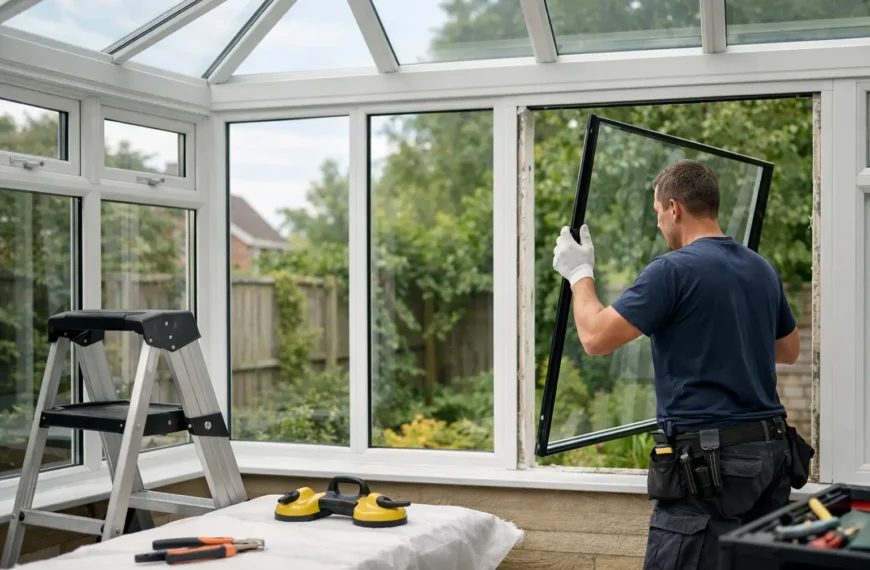
A double glazed window is only as good as its installation. Poor fitting can lead to gaps, drafts, operational problems and reduced lifespan, no matter how good the product looked on paper.
That is why many homeowners prefer working with an established local company that understands the housing stock in the area and can offer clear advice, professional fitting and reliable aftercare. For Kent homeowners, that local knowledge can make the decision easier, especially when older properties or bespoke sizes are involved. Totalglaze has built its reputation on exactly that kind of practical support.
It is also worth asking about guarantees, energy ratings, security features and whether repairs are available in the future. These details matter long after installation day.
Is double glazing worth it?
For most homeowners, yes – especially if your existing windows are outdated, inefficient or difficult to live with. The gains are not only financial. You are paying for comfort, security, quieter rooms and a home that feels better protected against the weather.
Still, it is sensible to weigh the upfront cost against the condition of what you already have. If a few isolated repairs will solve the problem, replacement may not be urgent. If multiple windows are failing, or your home feels consistently cold and draughty, investing in new double glazing is often the more practical route.
The right windows should do more than fill an opening in the wall. They should help your home stay warm, look smart and feel secure for years to come – which is why choosing carefully now can make everyday life noticeably better.